
Knife Skills 101
Whether you're prepping a quick weeknight meal or trying a new recipe, good knife skills can make cooking safer, easier, and more enjoyable.
The Golden Rules of Knife Safety
● Keep it sharp
A sharp knife requires less force, giving you better control and helping reduce slips. Keep your ceramic and steel knives performing their best with the right KYOCERA sharpener.
● Get a good grip
Grab the knife near the base of the blade with your thumb and index finger for better control. With your other hand, use a claw grip, keeping fingertips tucked safely away from the blade.
● Slice, don’t force
Let the blade do the work. Use a smooth, controlled slicing motion rather than pressing straight down with excessive force.
● Clear your workspace
Keep scraps, packaging, and unnecessary tools away from your cutting area so you have plenty of room to work safely.
● Create a stable surface
Cut a small flat side on round foods like onions, potatoes, tomatoes, or apples before slicing or chopping.
● Secure your cutting board
If your board moves, place a damp towel, non-slip mat, or rubber liner underneath to keep it secure.
● Store knives safely
Protect your knives and your fingers by storing blades in a knife block, blade guard, or appropriate magnetic knife strip (for steel knives).
Choose the Right Knife
| KNIFE TYPE | PRIMARY USES | IDEAL INGREDIENTS |
|---|---|---|
|
|
Rocking chops, dicing, slicing, and heavy prep | Onions, carrots, poultry, larger vegetables |
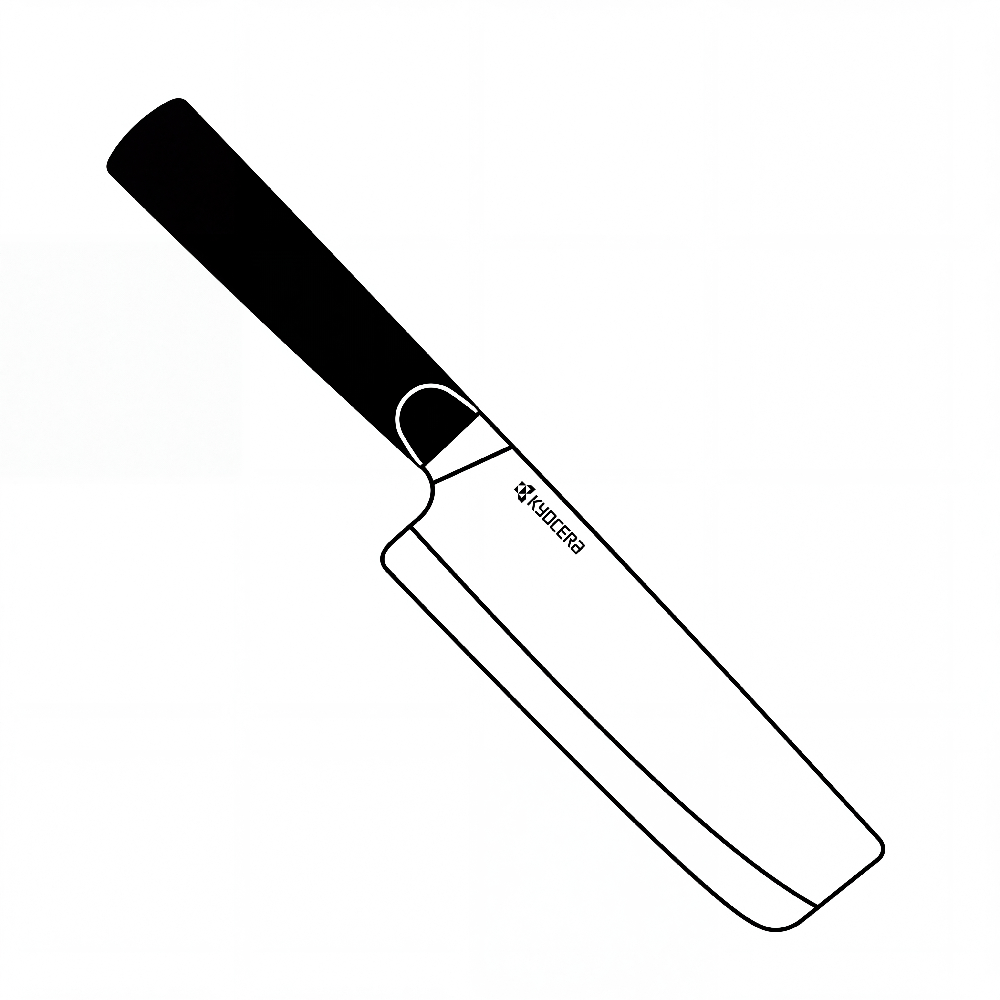 Nakiri or Cleaver Nakiri or Cleaver |
High-speed push-chopping & vegetable prep | Cabbage, boneless proteins, garlic, ginger |
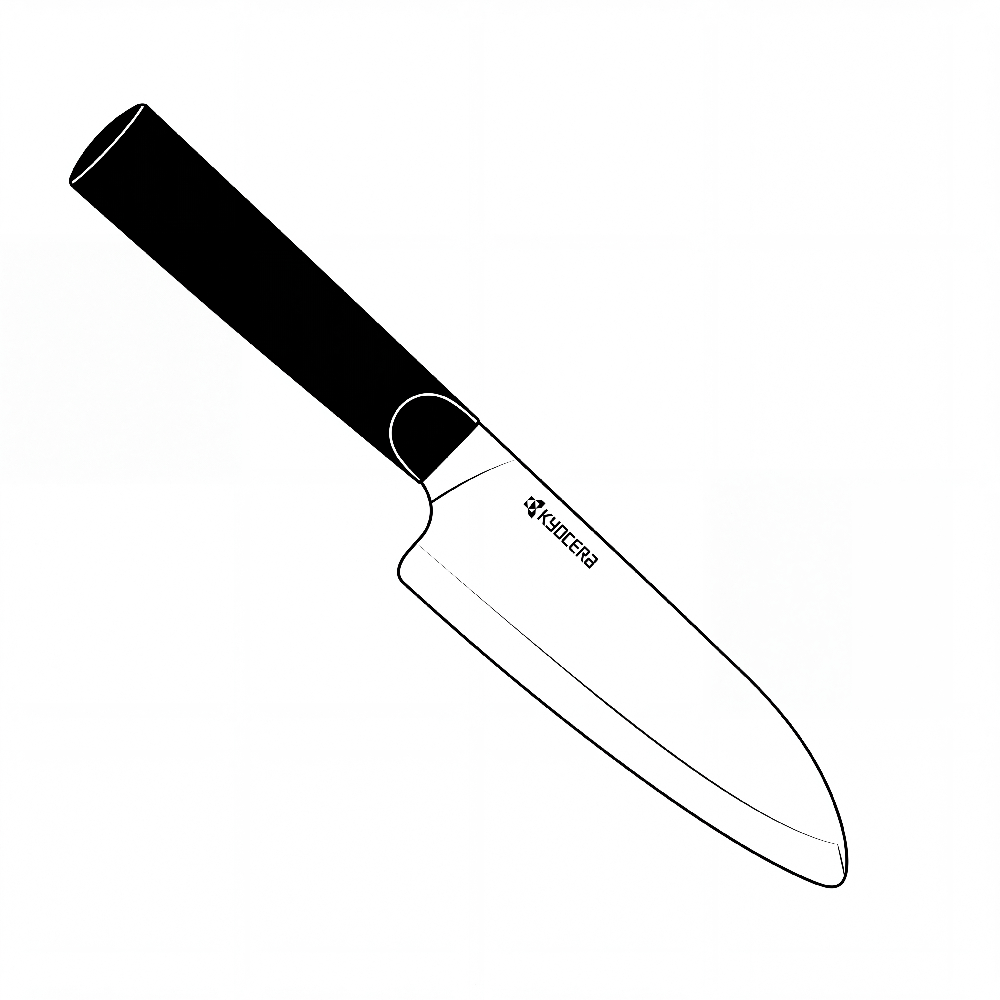 Santoku Knife Santoku Knife |
Precise straight-down slicing and dicing | Thin slicing of vegetables, boneless meats, herbs |
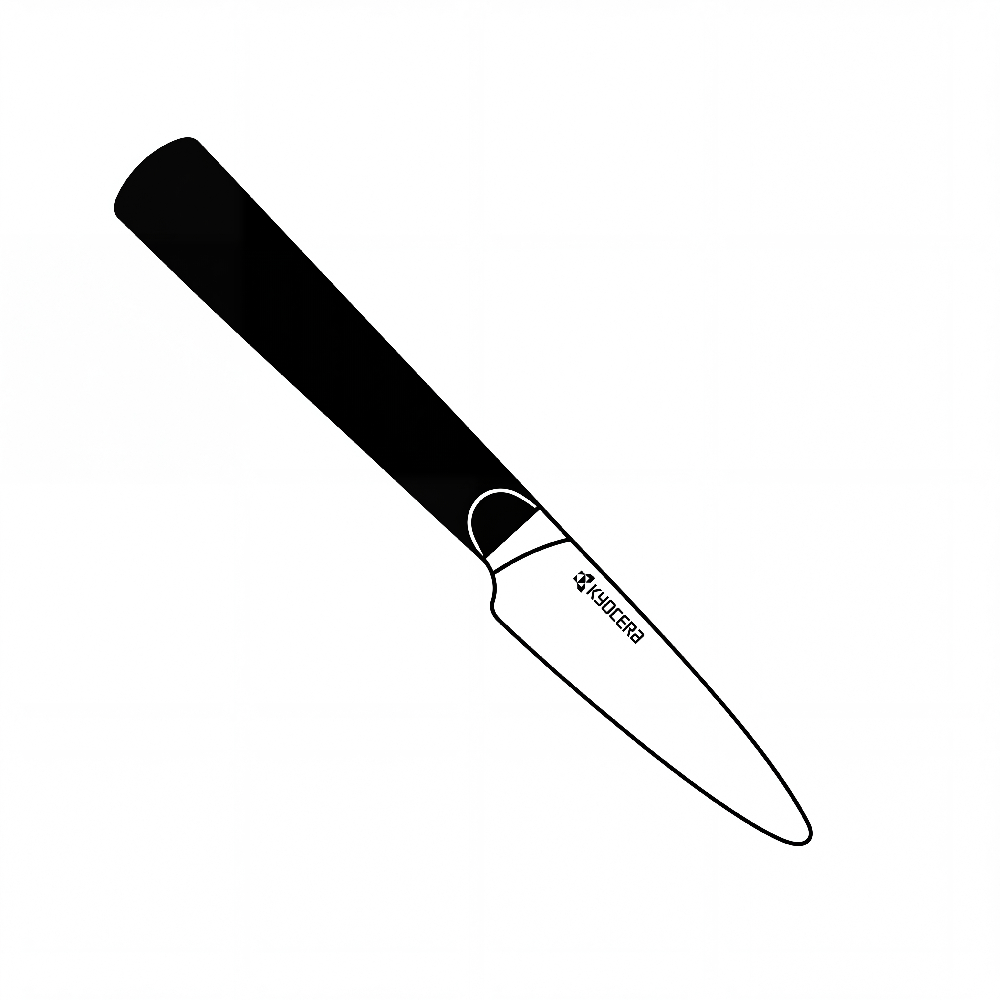 Paring Knife Paring Knife |
In-hand peeling, trimming, precision work | Garlic, strawberries, peeling fruit |
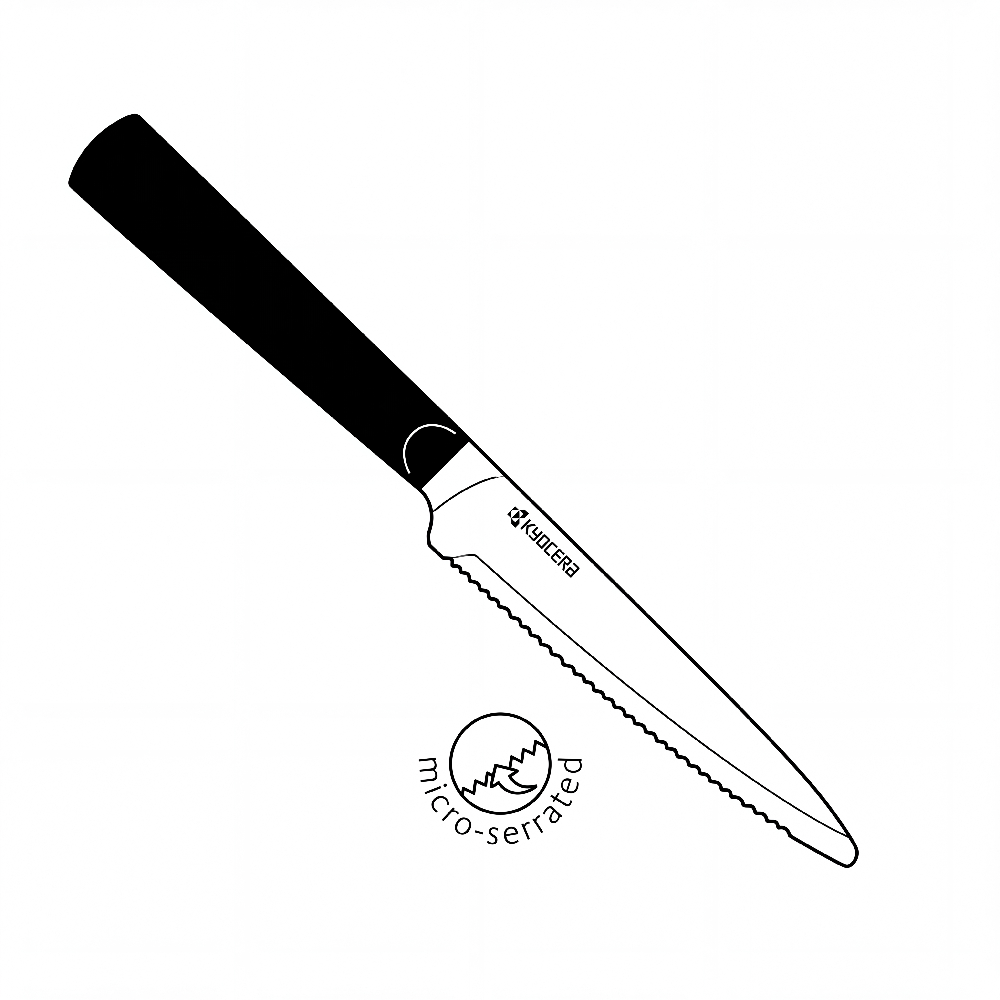 Serrated Knife Serrated Knife |
Sawing through soft interiors with tough skins | Bread, ripe tomatoes, and foods with tough exteriors |
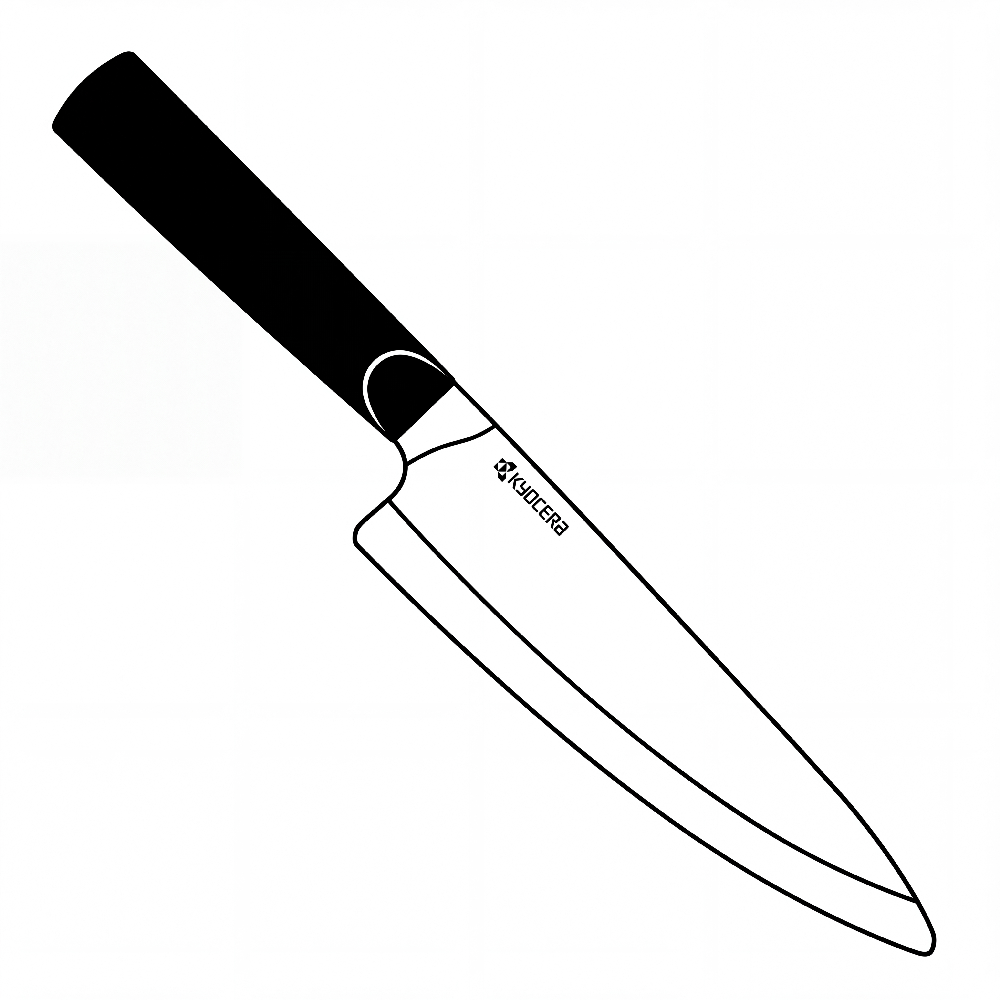 Chef’s Knife
Essential Culinary Knife Cuts
| CUT | WHAT IT IS | BEST FOR |
|---|---|---|
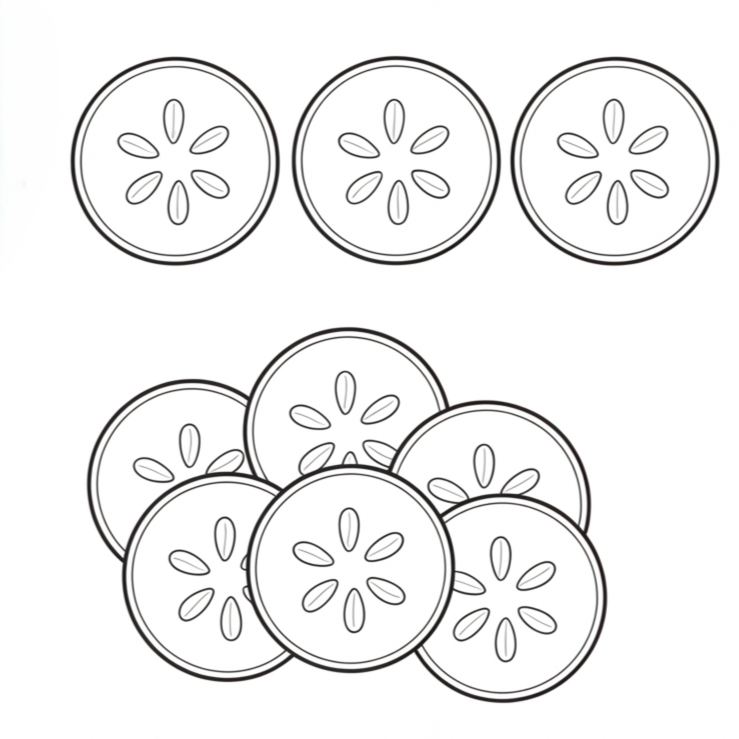 Slice Slice |
Smooth, even cuts made with a controlled slicing motion | Tomatoes, cucumbers, fruit, cooked meats |
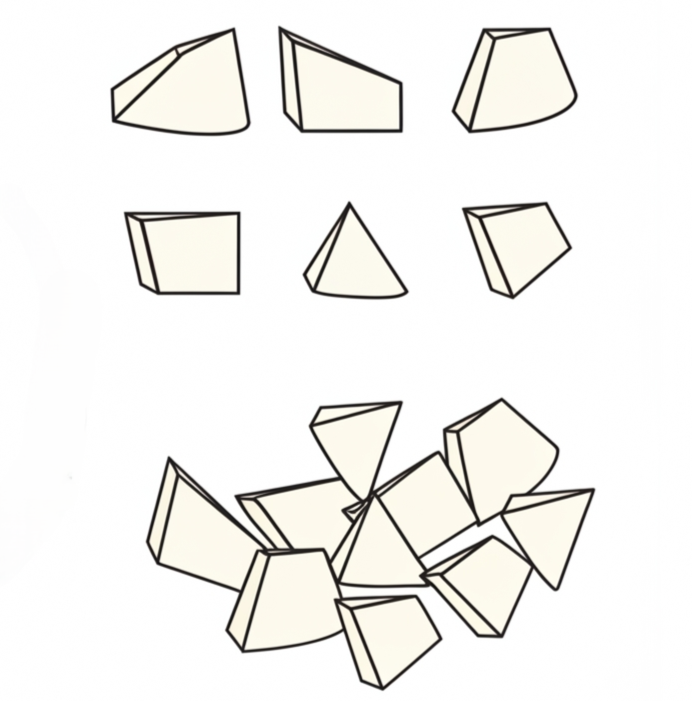 Chop Chop |
Larger, rustic pieces where perfect uniformity isn’t necessary | Onions, celery, carrots, herbs |
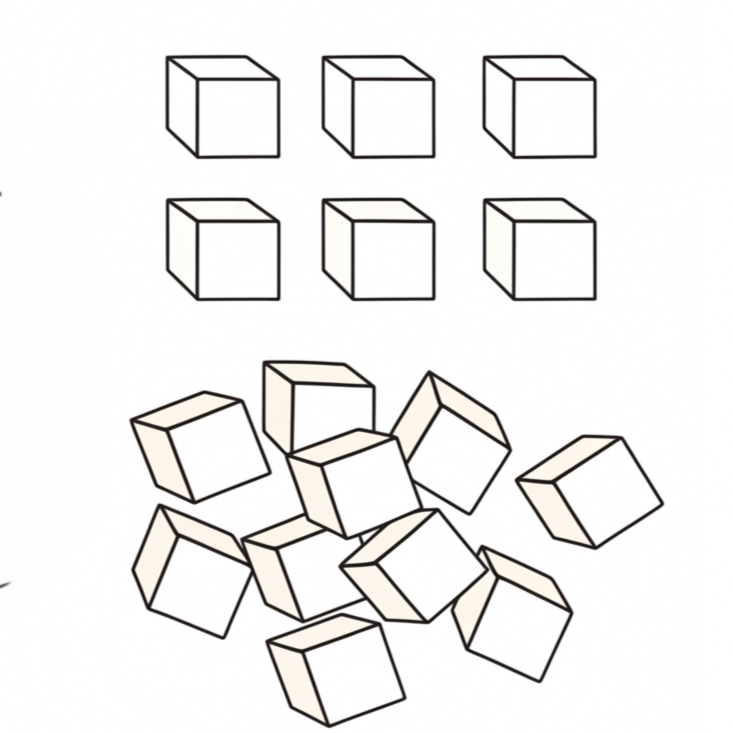 Dice Dice |
Small, evenly sized cubes for consistent cooking | Onions, peppers, potatoes, fruit, salsa |
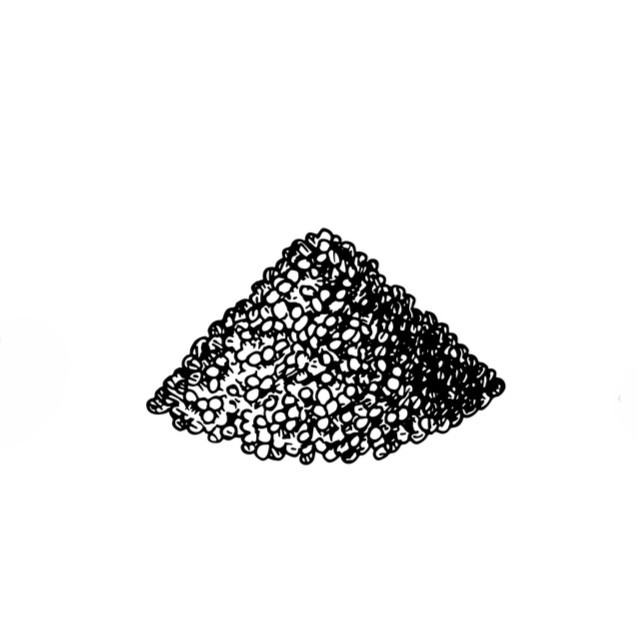 Mince Mince |
Very finely chopped pieces that distribute flavor throughout a dish | Garlic, ginger, shallots, fresh herbs |
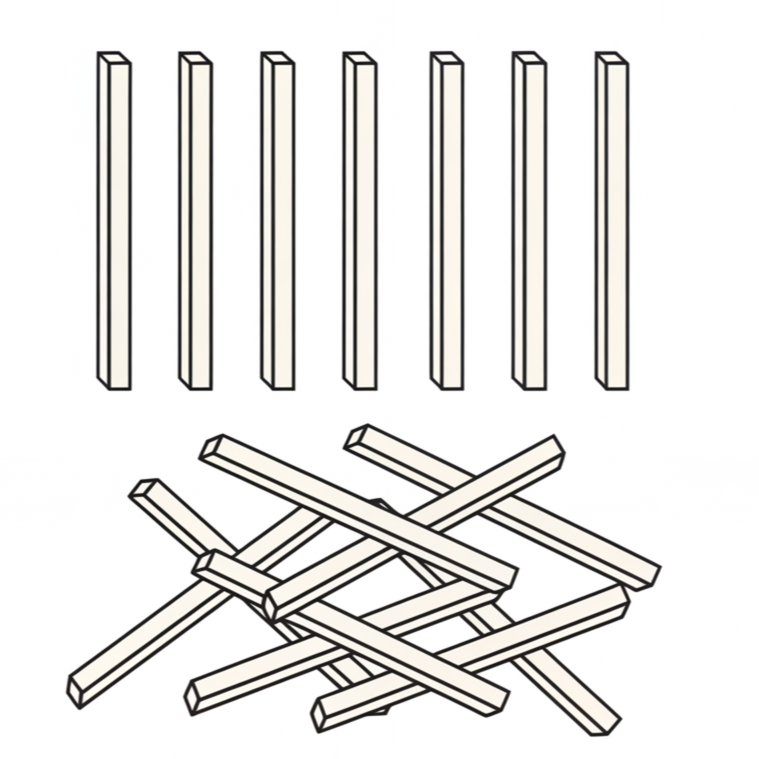 Julienne Julienne |
Thin, matchstick-shaped strips | Carrots, peppers, cucumbers, zucchini |
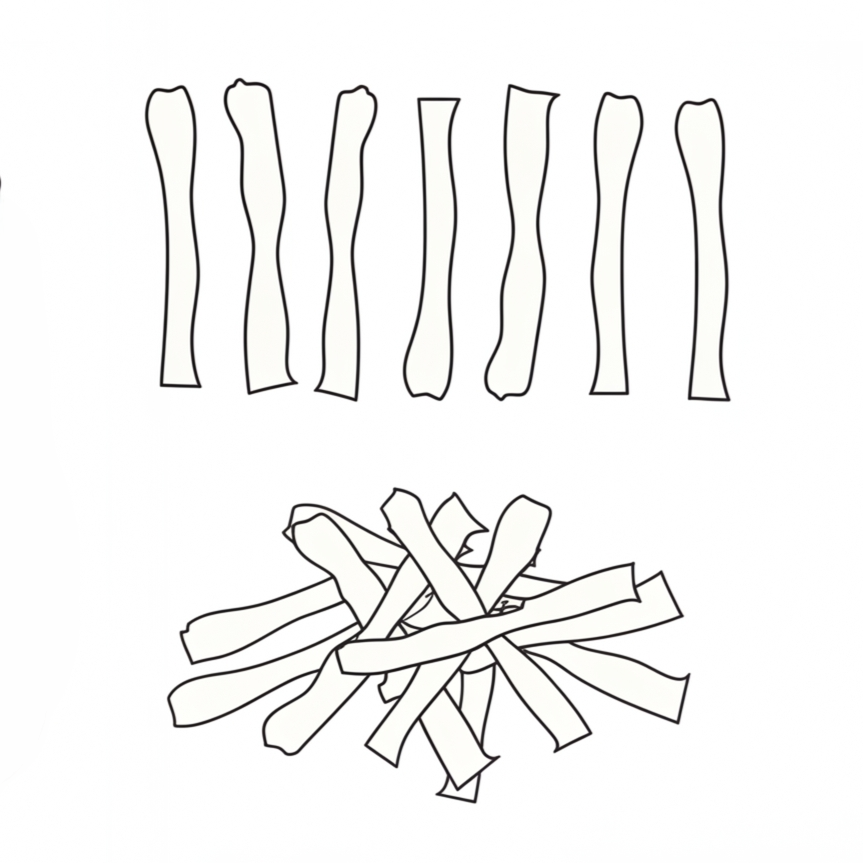 Chiffonade Chiffonade |
Thin ribbons made from stacked and rolled leafy greens or herbs | Basil, mint, spinach, leafy greens |
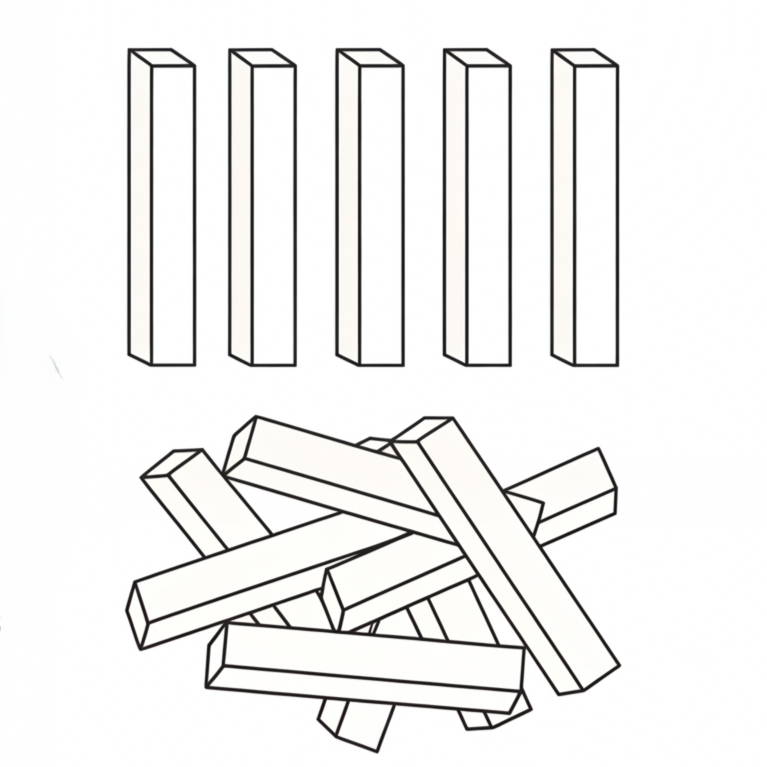 Batonnet Batonnet |
Uniform vegetable sticks, approximately ¼" × ¼" × 2–3" |
Vegetable sticks, fries, prep for dicing |
 Brunoise Brunoise |
A very fine, uniform dice, approximately ⅛" | Sauces, soups, garnishes |